

I have learned much about 3 menacing foods that reduce our quality of life;
they’re common, comfort foods.
My goal in writing this post is to share what I have learned from a “regular” person’s point of view because I am not a total health nut or “foodie.”
You may already know some of this but, hopefully, you will glean something new.
I will specifically share about 3 menancing, but popular, foods in this post.
So SAD and menacing
I believe that most of our diseases are diet-related. Have you heard our Standard American Diet described as SAD?
Our diseases are skyrocketing because our food is SAD and much less nutritious than in the past. To eat right and not get the nutrition we need is frustrating.
For example, (I started hearing this about 25 years ago) an orange does not have the same nutrition it used to because of vitamin and mineral depletion of our soil, and that goes for a lot/all the food grown.
But, our less nutritious daily bread is not the only concern. What about all the dangerous chemicals and other additives lurking in the food supply and much of our sustenance being genetically altered?
Now, our food is actually damaging our bodies!
Our food choices make the biggest difference in our health.
I’m going to explore 3 menacing foods today: wheat, cheese, and salt.
Menace #1: Wheat
This is what I have read/learned the most about because I love bread. Rick and I read “Wheat Belly” and “Grain Brain” a few years ago.
The history of wheat captivated me. As you know, the industrial revolution timeframe (and before) changed things a lot.
Factory “grown”
But not all for the good. Factory-processed food replaced wholesome, home-grown food.
Yes, more food was available and quicker, but at what cost to the human body?
Today’s “wheat” originally started as something called einkorn 10,000+ years ago.
A nutritious grain with high levels of protein, fat, vitamins, and minerals, the einkorn form of wheat is a far cry from what we eat today. Our wheat has been hybridized so many times.
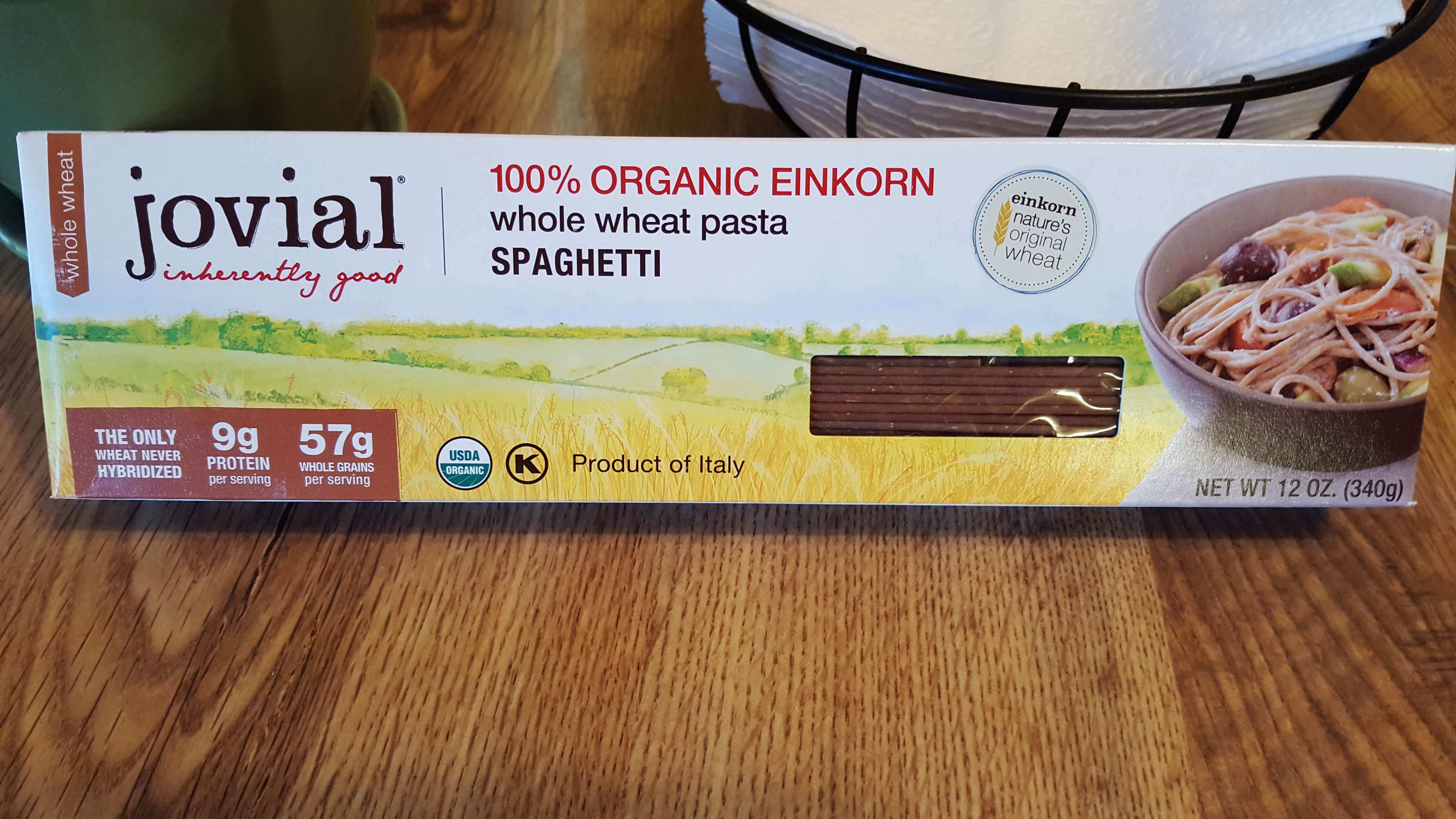
I buy this at Natural Grocers
The excerpt below is taken from the writings of the Weston A. Price Foundation. Dr. Price (1870-1948) was a dentist and medical researcher.
“Modern wheat has had a very long history of hybridization, starting with ancestral grasses in the wild and also occurring naturally in farmers’ fields in antiquity.
Humans have continued the process chemically in the last century, and especially during the last 50 years, in order to increase yields, resist fungal diseases and pest attacks, improve ease of mechanical harvesting and meet rigorous demands of industrial milling and mechanized baking methods.
No one considered…
But even before these latest GMO changes, it appears that recent forced and accelerated hybridizations have changed wheat nutritionally in ways that no one seems to have considered, while research into the health effects of these transformations has barely begun.”
Re-read those reasons listed above as to why the wheat has been changed. There is no goal for “better human consumption!”
I’ve read of very interesting correlations between the “last 50 years” of hybridization and the rise of diseases such as diabetes, heart disease, and obesity.
Einkorn and Emmer are NOT threatening
I would love to share much more of the article, but won’t take your time here.
The article walks through the changes from the original einkorn and emmer to today’s “wheat” and explains how/why our present wheat can be so problematic, including information about celiac.
Fair warning: the awesome article is somewhat long, but at least skim through it because it has vast amounts of eye-opening info!
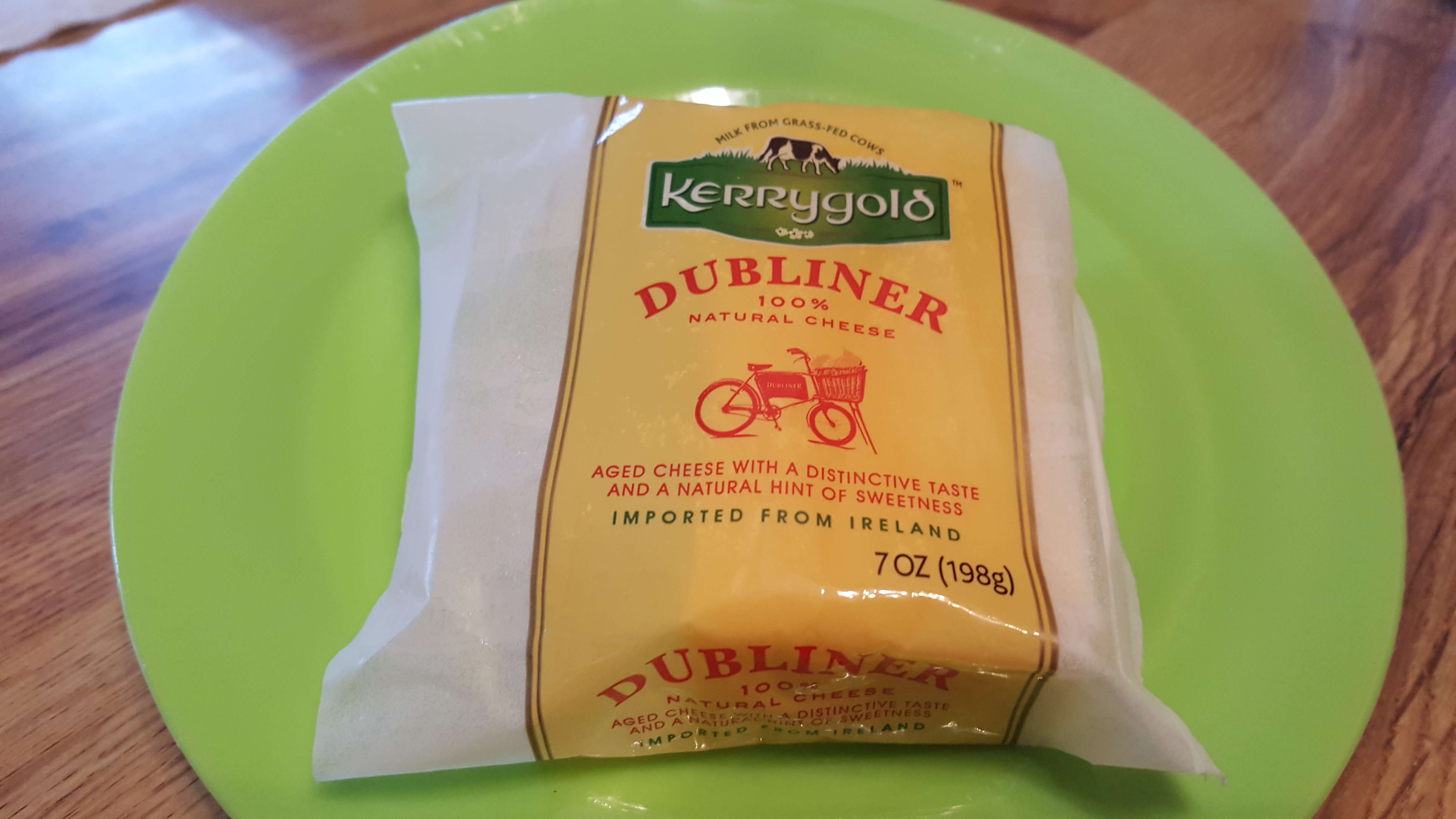
Kerrygold cheese, made with milk from grass-fed cows 🙂
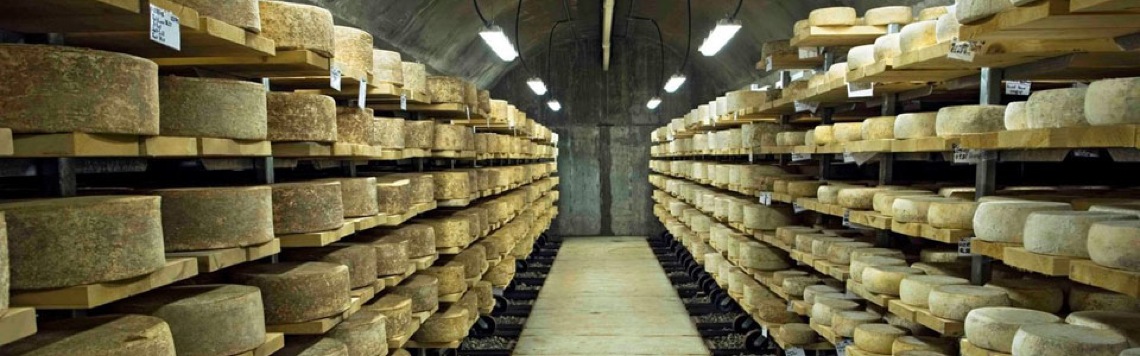
Cheese being aged
Menace #2: Cheese
With respect to cheese, I will be brief. Again, an industry change has taken place.
From taking the time to age cheeses to the modern “rush it as fast as we can,” we get problems or at least a much less quality product.
When cheese is not aged, microbes and enzymes do not have the opportunity to transform texture and intensify flavor.
Hard to digest=problems
But most importantly, for our digestion’s sake anyway, the cheese misses out on the time it takes for the breakdown of casein proteins and milkfat into a complex mix of amino acids, amines, and fatty acids. Therefore, the step that makes the cheese easier to digest (and taste better) is missing.
Maybe if more people ate aged cheeses there would be fewer problems with lactose intolerance. If you get used to aged cheese, you won’t want to go back to the other.
We use cheese from grass-fed cows that has been aged at least 12 months.
Menace #3: Salt
So, you’re still hearing that you need to reduce/cut out the salt, right? Well, salt is very important to many body functions.
Konstantin Monastyrsky, Forensic nutrition says:
“Salt is needed body-wide to keep blood adequately salty, to prevent edema, to avoid dehydration, to make sweat, and to synthesize hydrochloric acid for gastric digestion. If you don‘t consume enough salt, stools get dehydrated thanks to the intense recovery of this precious sodium chloride from the large intestine.”
But, the type of salt we use is important! Rick and I have learned that regular white (refined) table salt is processed at very high temperatures, which remove/destroy the elemental minerals.
It’s dead! Also, bleaching supposedly makes it more appealing (clean and white). 🙁
“Refined and unrefined salt are vastly different. Unrefined salt is packed with essential minerals and supplies the body with a proper balance of sodium and chloride with over 80 trace minerals. Refined salt is a poor food choice. It has no place in our diet. Without the balancing effect of the trace minerals, refined salt provides the body with too much sodium. Sodium was meant to be ingested with its complement of trace minerals.
The consequences of the ingestion of large amounts of refined salt are mineral deficiencies, acidity, and the onset of chronic illness.
Unrefined salt should be the salt of choice.” ~Dr. David Brownstein
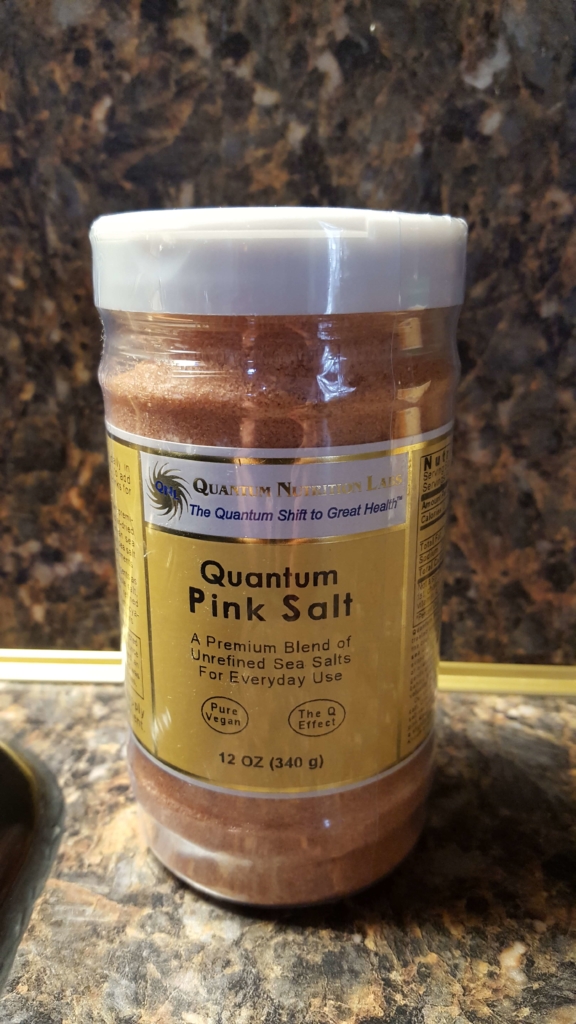
We use this Pink Salt, which is a blend of solar-dried salt from the Mediterranean Sea and Pink Alaea Hawaiian Sea Salt with dense trace elements from Alaea clay.
Now that we use unrefined Pink salt, I can feel good about using salt. I like adding it to my food, and it tastes less “salty.”
Sometimes I add salt to my concoction of apple cider vinegar and Vitamin D to make sure I’m getting enough.
Note: Pink salt does not give us iodine, which we need.
We can get it by eating iodine-rich foods such as sea vegetables, cranberries, organic yogurt (ideally made with milk from grass-fed cows), organic navy beans, organic strawberries, raw organic cheese, and organic potatoes.
Of course, iodine supplements are also available.
A few quotes to ponder:
Medicine is not healthcare. Food is healthcare. Medicine is sick care.
The food you eat can be either the safest and most powerful form of medicine or the slowest form of poison.~ Ann Wigmore
Every time you eat or drink, you are either feeding disease or fighting it.~ Heather Morgan, MS, NLC
Wow! That’s a lot of information. It’s easy to get overwhelmed.
Do you think ‘what can I do’ when you read this information and all the other good health info available?
All we really can do is the best with the knowledge, time, and finances that we have. Any improvement helps, right?
Quality of life
What I really want is quality of life, especially at the end. My mom is in an assisted-living apartment. She is doing okay, but many in her nursing home ARE NOT, and I don’t want to end my days like that.
Dead salt
(…Time has passed) As I have “digested” the information that I have written so far (pun IS intended), 🙂
I realize for me it simply boils down to this: Food used to be “wild.” Back then, our sustenance was grown on family farms–natural and organic with animals grazing out in the pasture.
(My husband grew up eating this kind of food on his grandparent’s dairy farm. Lucky)
Junk cheese
Now, almost all food is processed in some way (even our salt) or at least grown with non-natural additives.
And now, our diseases are skyrocketing. To avoid processed and non-natural food choices whenever possible simply makes sense.
Messed-with wheat
Thankfully, we have some easy choices to improve the quality of our lives.
One of the healthy choices we can make is to merely change the color of our salt.
Consequently, we don’t have to let dead, white salt, rushed cheese “junk”, or overly hybridized wheat hurt us or our families anymore.
That’s striking 3 menacing foods from your diet! 🙂
You may ask where I get my info. Rick and I’ve listened to a Clinical Nutritionalist for years and learn from online health summits. Learning how nutrients impact our systems is highly interesting to me.
What are you eating?! What are your thoughts?
I would love to hear from you. Leave a comment below so all can see and learn or email me if you prefer. More later, but for now, ta-ta.
Blessings, blooms and pink salt,
Pam


Author: Pam
Glad you’re here!





Leave A Comment